
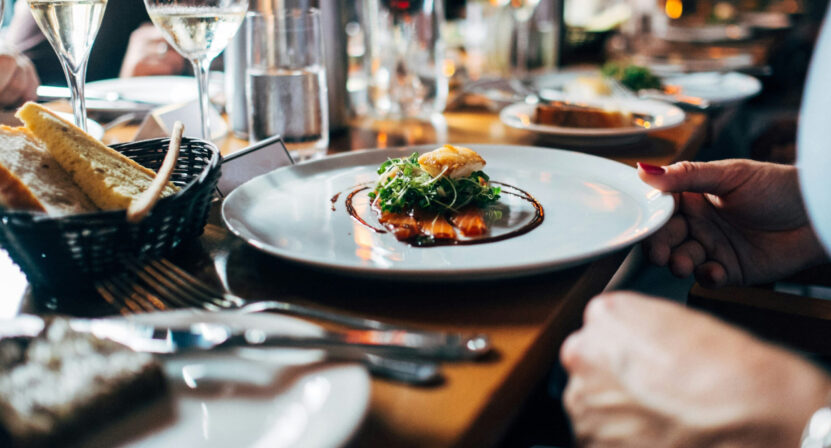
Not all dinner guests are comfortable with sharing their dietary restrictions. Many don’t want to be a bother to their host, who genuinely needs this information to keep everyone safe. It’s more than a minor social inconvenience. It’s a clash between the guest’s desire to be easygoing and the kitchen’s nonnegotiable need for safety. For millions, a simple miscommunication can lead to serious health consequences.
The Social Anxiety of an Awkward Dinner

Many people feel that sharing their specific dietary needs makes them a burden. Some think that their intolerance isn’t serious enough to mention, while others worry that the cook may have to make something special just for them. It’s why someone with a dairy intolerance would rather pick the cheese off a salad instead of saying anything.
There’s also the fear of judgment. Labels like “picky” and “dramatic” have caused some to downplay the severity of their condition.
For a significant number of people, these feelings are a manifestation of social anxiety. Everyday situations like ordering food in front of others can feel like a risky performance. It’s a fear that feels uncontrollable, leading those affected to avoid social events entirely, including dining out.
Social anxiety can lead to risky behaviors at the dinner table. A guest might order a dish they think is safe rather than confirming with the server. They might also eat a small amount of something they know will make them feel sick later, simply to avoid a moment of perceived confrontation.
More Than a Preference in Today’s World
Dietary restrictions come in different forms. An allergy is an immune system response that can be severe and life-threatening, while an intolerance or sensitivity can cause an uncomfortable digestive system response. A lifestyle or religious choice is a conscious decision to follow a specific diet.
Here are some of the most frequent needs kitchens encounter and the foods they need to avoid for each:
- Gluten: Wheat, barley and rye, often due to Celiac disease or a non-celiac sensitivity
- Dairy: Milk products due to an allergy or lactose intolerance
- Nuts: Peanuts and/or tree nuts, which are among the most common severe allergies
- Shellfish: Animals like shrimp, crab and lobster
- Soy: Soybeans and soy-derived products like tofu and soy sauce
- Veganism: A lifestyle choice that avoids all animal products, including meat, dairy, eggs and honey
Food needs and restrictions are not a niche issue but a mainstream reality for hospitality. Around 33 million people in America have at least one food allergy. This is a widespread public issue that affects approximately 10% of adults and 8% of children in developed countries. Other conditions are also common. For example, 1% to 7% of people worldwide suffer from either non-celiac gluten sensitivity or celiac disease.
A Look Behind the Kitchen Doors
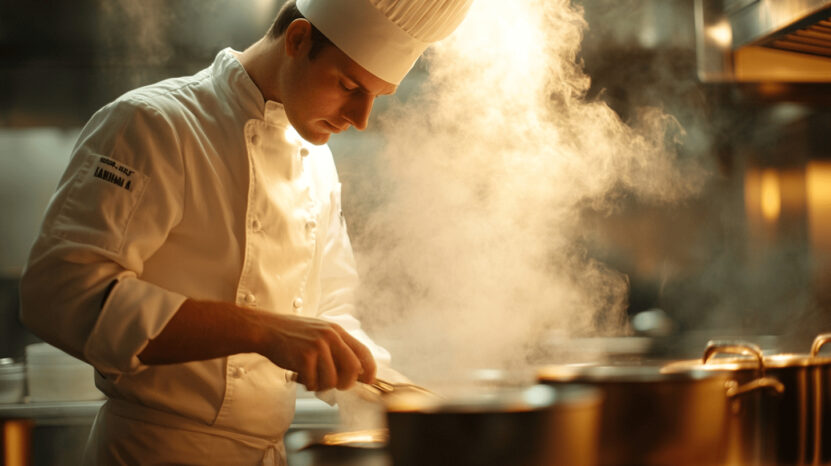
Restaurant kitchens are busy during the dinner rush. There’s an efficient rhythm of prepping, cooking, plating and serving. Then, a server enters with a new order from a table with a guest who has a severe nut allergy. There’s an instant shift, not of anger, but of intense focus and concern.
The chef’s immediate priority is to prevent cross-contamination, as any surface, utensil or drop of oil that has touched an allergen is now a potential hazard for this guest. This is a cornerstone of professional kitchen safety.
Any form of contamination can have dire consequences. For example, foodborne diseases affect approximately 48 million people annually, causing roughly 3,000 deaths and 128,000 hospitalizations. While food allergies and foodborne illnesses are different risks, both are addressed by rigorous kitchen practices designed to prevent all contamination.
A last-minute request about dietary restrictions triggers a logistical fire drill.
- The quarantine protocol: A chef personally oversees the making of a new dish from start to finish at a designated “clean” area.
- The equipment scramble: The cook must use a fresh, sterilized pan, a clean cutting board and new utensils that haven’t touched anything else.
- The ingredient investigation: The chef becomes a detective, reviewing labels on stocks, sauces and spice blends to hunt for hidden allergens like “hydrolyzed wheat protein” or “casein.”
Unfortunately, if a restaurant kitchen doesn’t have set practices for preventing contamination, preparing one dish with immense care can slow down the entire line. This can delay the rest of the table’s food and create a domino effect that impacts other diners’ orders.
How to Be a Good Guest and Get a Meal You Can Eat

To be a good guest is to be an effective self-advocate. This ensures your safety and makes the restaurant’s job easier. Consider these strategies:
- Prepare ahead of time: Research the restaurant, check its menus and look for allergen-friendly recommendations. If possible, notify the restaurant about your dietary restrictions before arriving, ideally by calling during off-peak hours to speak to the manager.
- Communicate clearly and concisely: Instead of a long medical explanation, use clear phrases like “I have a severe dairy allergy, meaning no milk, butter or cheese. What would you recommend from the menu?”
- Partner with your server: Ask the server politely to write the allergy down on the ticket and to personally confirm the order with the kitchen staff. This creates a chain of accountability.
- Do a final check: Ask one last, polite confirmation when you receive the food. A simple, “This is gluten-free, right?” provides a final layer of safety and peace of mind.
- Acknowledge the extra effort: Don’t forget to say “thank you” for the extra care and attention from your server and the kitchen. This reinforces their good practices and leaves a positive impression on all future diners.
Creating a Better Experience for Everyone
The guest’s social anxiety and the kitchen’s logistical scramble both originate from the same place – a fear of poor communication. Therefore, the solution is a clear, honest and early dialogue about dietary restrictions. Think of dining out not as a field of hazards, but as a cherished act of community and pleasure. Contribute to a food culture that’s safer, more inclusive and more delicious for everyone at the table.