

Your eyes may not be the first thing you think about when planning dinner, but what you eat can help support your sight. Nutrients such as vitamin A, lutein, zeaxanthin and omega-3 fatty acids all play roles in healthy vision, and you can find them in familiar kitchen staples.
The number one food for eye health is one that has sufficient nutrients to protect against conditions that affect your sight or address deficiencies linked to symptoms such as night blindness. While no amount of carrots can replace an eye exam, the right ingredients can give your eyes valuable nutritional support. These foods are worth adding to your plate.
1. Leafy Greens Fight Cataracts and Blurred Vision

Spinach, kale and other dark leafy greens are packed with lutein and zeaxanthin, two antioxidants found naturally in the lens and retina of your eye.
Cataracts develop when the normally clear lens becomes cloudy, which can make your vision look blurry, hazy or less colorful.
These antioxidants may help protect the lens from oxidative damage associated with cataract development.
High levels of these antioxidants have been connected to lower risks of cataracts, and while findings aren’t conclusive, adding greens to your daily meals is still worth it to invest in your eye health.
Try cooked kale and spinach or blend up some green smoothies. Or you can saute them as a side dish for lunch.
2. Nuts and Avocados Support Eye Health to Ease Headaches
Magnesium deficiency can cause headaches, though there are many possible triggers, including eyestrain, dehydration and an outdated vision prescription.
If you experience a chronic headache with or without eye strain that no amount of hydration seems to alleviate, you may want to head to the kitchen before reaching for the medicine cabinet again.
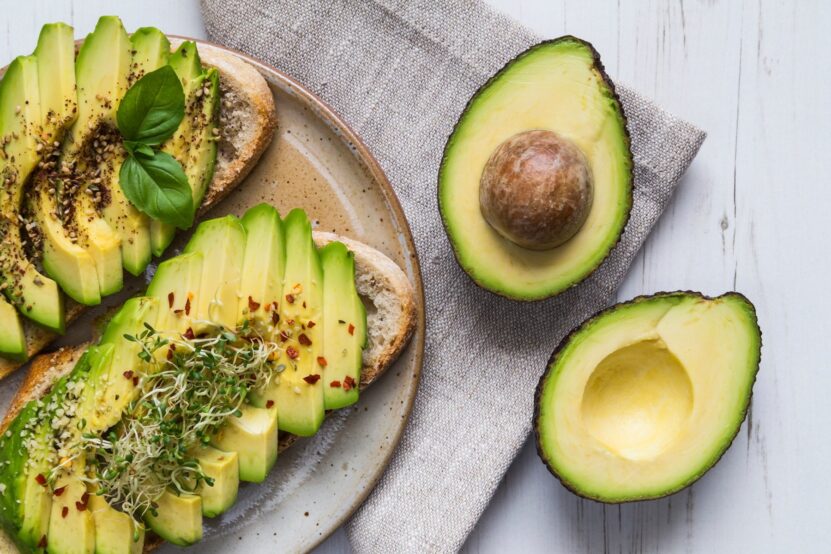
Almonds, spinach and avocados are excellent sources of magnesium, which is involved in normal nerve and muscle function. Most people need 350–420 mg of magnesium daily, which you can easily consume by eating a handful of nuts throughout the day or adding avocado to your taco bowl.
3. Bilberries Reduce Eye Fatigue and Strain
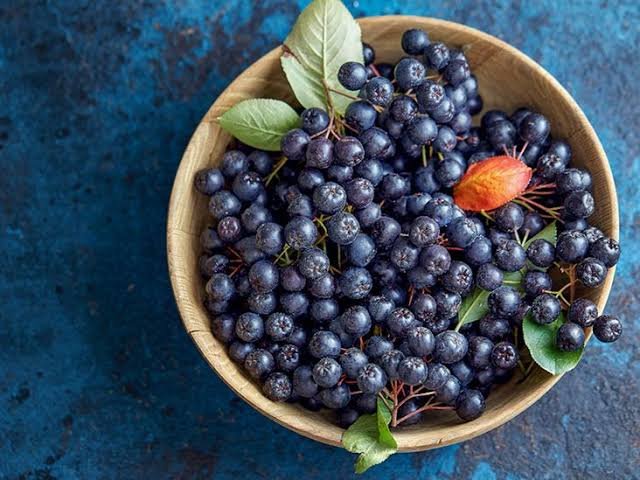
Bilberries may look a lot like blueberries, but these dark berries contain particularly high concentrations of anthocyanin, with 80–320 mg of this antioxidant fighting off neurodegenerative diseases.
These plant compounds have antioxidant and anti-inflammatory properties and have attracted attention for their potential effects on eye fatigue. You may consider swapping a candy bar for a handful of bilberries to freshen your eyes.
Science has shown that bilberries are rich in anthocyanins, which are instrumental in fighting eye disease and protecting the eye’s tear film.
Other foods rich in this powerful antioxidant include blueberries, purple potatoes and black currants. Investing in quality eye drops or artificial eye lubricant can also help reduce strain if you do loads of screen-based work.
4. Beef Liver Combats B12-Deficiency to Support the Optic Nerve

Clams, beef liver and fortified nutritional yeast are among the foods that can help you meet your vitamin B12 needs. Your nervous system relies on B12 to function properly, and many people suffer a deficiency, which can sometimes cause neurological and vision problems, such as optic atrophy.
Vitamin B12 deficiency can cause challenges with eye movement and the optic nerve. A basic daily dose is 2.4 micrograms for adults, but if you have underlying anemia, you may struggle to absorb B12, which can cause deficiency.
If you suspect you have an underlying deficiency, medical testing may be necessary. However, you can start increasing your intake of clams, beef liver and nutritional yeast as part of your daily meals.
5. Carrots and Sweet Potatoes Prevent Night Blindness

Carrots are famously known for promoting good eyesight, and there’s some truth to this reputation. The beta-carotene that gives carrots, sweet potatoes and pumpkin their yellow to orange color is a pigment that your body can convert to vitamin A, which nourishes your eyes and skin.
You need between 700 and 900 micrograms of vitamin A daily for healthy functioning. Your eyes need vitamin A for normal vision, including the ability to see in low-light conditions.
A deficiency can lead to night blindness, and when you are severely deficient and the condition goes untreated, it can cause permanent blindness. Start by adding a 3.5-ounce serving of carrots to boost your vitamin A intake.
More Foods That Support Healthy Eyes
Your kitchen offers plenty of other options to support your vision. The American Academy of Ophthalmology recommends getting eye-friendly nutrients through a varied diet, with fruits, vegetables, legumes and other whole foods providing several important vitamins, minerals and antioxidants. Here are a few more great foods for eye health.
| Food | Key Nutrient | How It Supports Your Eyes |
| Oranges and other citrus fruits | Vitamin C | Helps protect cells from oxidative damage and may help protect against cataracts and age-related macular degeneration. |
| Red bell peppers and tomatoes | Vitamin C | Provide antioxidant protection that helps maintain healthy eye tissue. |
| Sunflower seeds | Vitamin E | Help protect eye cells from oxidative damage. |
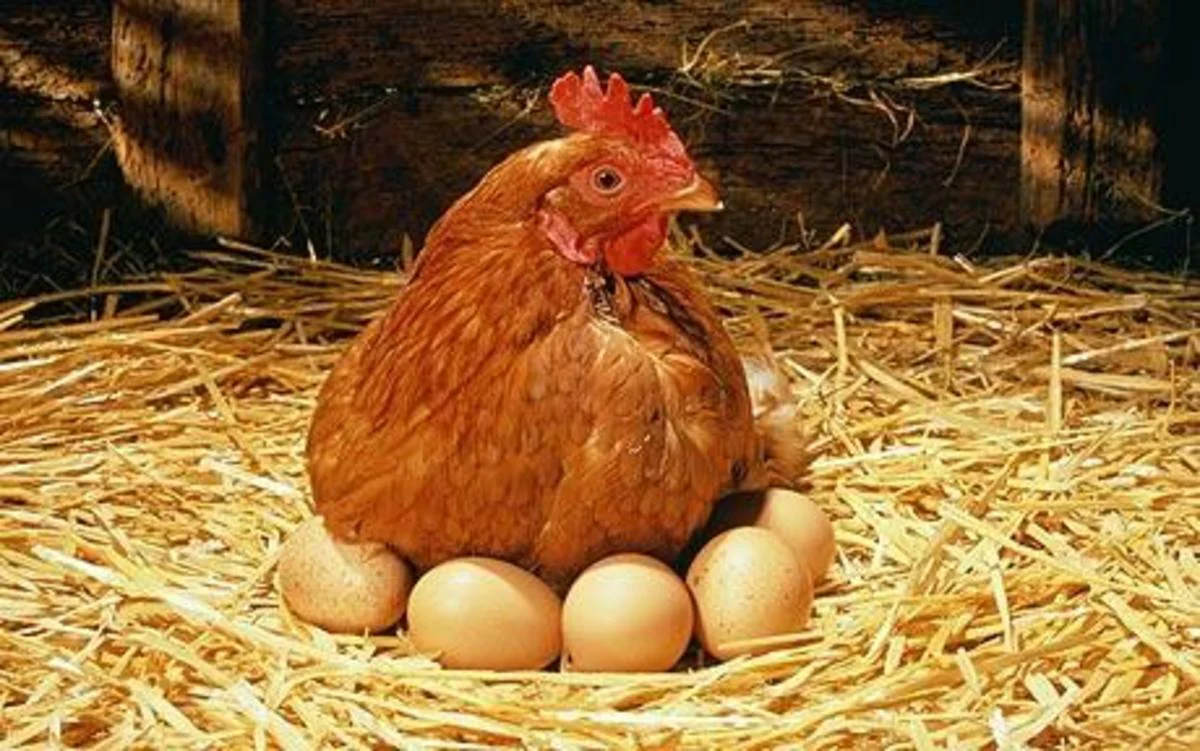
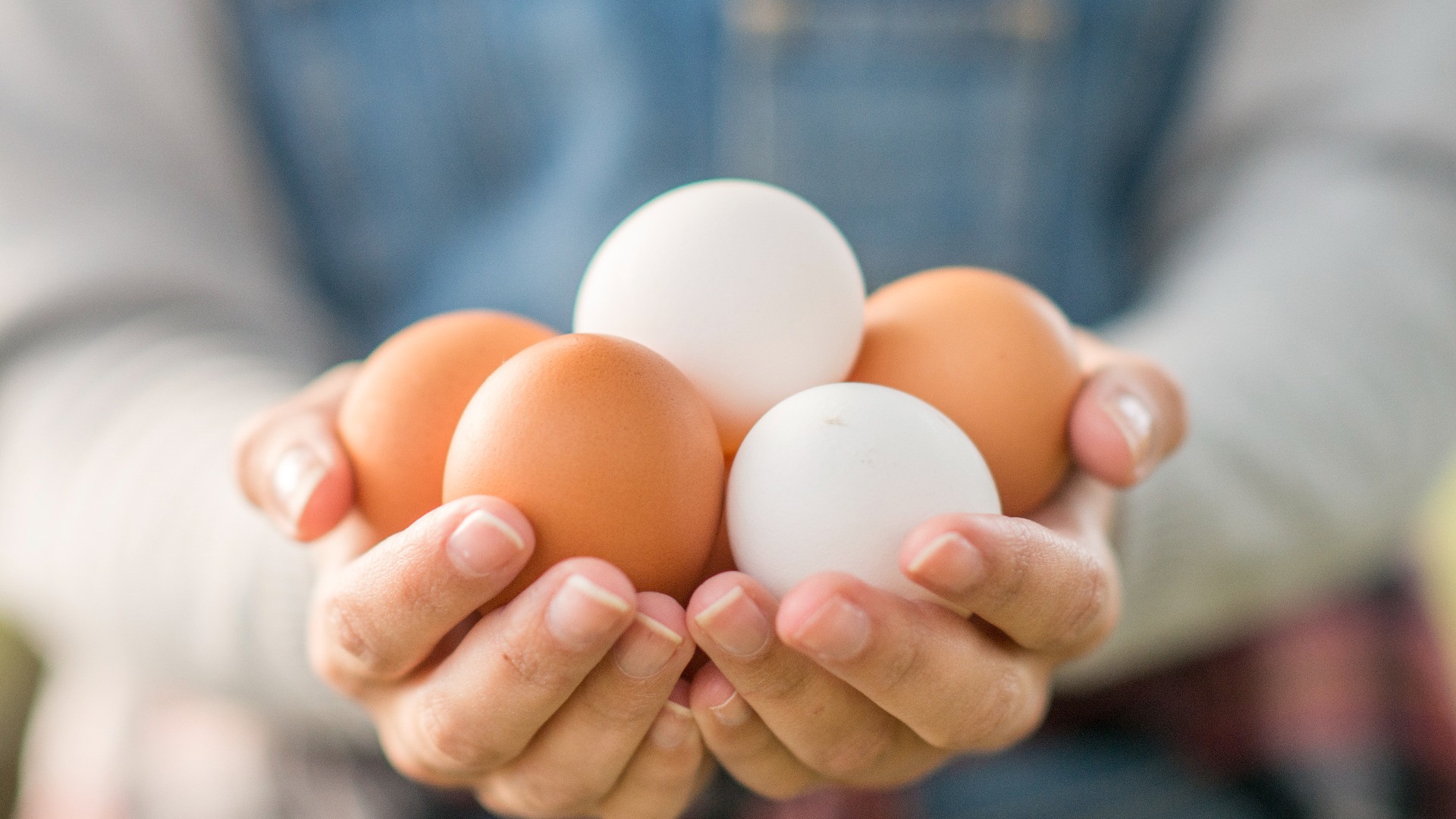
| Eggs | Lutein and zeaxanthin | Provide antioxidants that help protect the macula, which is responsible for central vision. |
| Beans and legumes | Zinc | Help keep the retina healthy and may help protect your eyes from light-related damage. |
Look After Your Eyes
Supporting your vision requires a thoughtful diet, much more than just relying on what you think is the number one food for eye health.
A varied plate filled with colorful produce, leafy greens, healthy fats and nutrient-rich proteins can provide many of the vitamins, minerals and antioxidants your eyes need.
Food is only one part of protecting your sight, though. Pay attention to changes such as persistent blurriness, headaches, squinting or trouble seeing clearly. Recognize when it’s time to have your vision checked.